
Tell us about your house
One phone call to start. No obligation, no fee, and no pressure afterwards — plenty of people get a number, compare it to their other options, and decide to list instead.
What happens after you send it
- 01
One of us reads it
Not a call center and not an auto-responder. The two co-founders are the ones who look at what comes in.
- 02
We do the research
Recent nearby sales, the condition you described, and what the repairs would realistically cost us.
- 03
We call you
To ask anything we could not tell from the address, and to arrange a time to see the property.
- 04
You get a number in writing
With the breakdown behind it. If listing would net you more, we will say so.
Selling in one of these situations?
These pages cover the details specific to each one.
Would rather start with a conversation? 951-363-0706.
Get your no-obligation offer
Step 1 of 2Takes about two minutes. We do the research on our end.
Step 1 of 2: The property
Three steps, no surprises
Selling directly should be simpler than listing, not just faster. Here is the whole thing.
- 01
Tell us about your property
Send the address and a few details. It takes about two minutes, and we do the research on our end rather than handing you homework.
- 02
Receive your offer
We look at the property, then give you a real number in writing along with the math behind it. Not a range, and not a number that changes later.
- 03
Choose your closing date
If you accept, you pick the day. Need weeks to move out? Take them. Need to be done sooner? We can work with that.
How we calculate your offer
Most buyers will not show you this. Here is the arithmetic behind every number we put in front of a homeowner.
If listing with an agent would put more money in your pocket, we will tell you that instead. It costs us nothing to be straight with you.
- Estimated value after repairs
- What the house would be worth on the open market once it is fixed up. We use recent nearby sales, not an estimate off a website.
- Repairs we take on
- Roof, systems, cosmetics — everything we would have to fix, priced from real contractor costs rather than a rule of thumb.
- Selling and holding costs
- Closing costs on both ends, insurance, property taxes, and utilities for the months we own it.
- Our margin
- What we need to make for the purchase to be worth doing. We would rather show you this line than hide it inside another number.
- Your cash offer
- The figure we put in writing. It does not change after you accept.
Selling to LMS vs. listing traditionally
Neither column is wrong. Listing works well for a house that is ready for the market and an owner who can wait. This is for everything else.
Repairs
LMS: None. Condition is priced into the offer.
Listing: Usually required before listing, paid up front.
Cleaning and showings
LMS: Neither. Leave what you do not want.
Listing: Staging, open houses, and strangers walking through.
Fees
LMS: No commissions and no fees to you.
Listing: Commissions plus closing costs out of your proceeds.
Timeline
LMS: You pick the closing date.
Listing: However long it takes to find a buyer, then their lender's timeline.
Certainty
LMS: The offer does not change after you accept.
Listing: Financing, appraisal, and inspection can all reopen the price.
Paperwork
LMS: We prepare it; a title company closes it.
Listing: Your agent coordinates; you review and sign throughout.
Sale price
LMS: Below full retail — that is the trade for speed and certainty.
Listing: Typically the highest price, if the house is market-ready.
Your house does not need to be ready
As-is means what it sounds like: we buy it in the condition it is in today. You do not fix, clean, or explain anything.
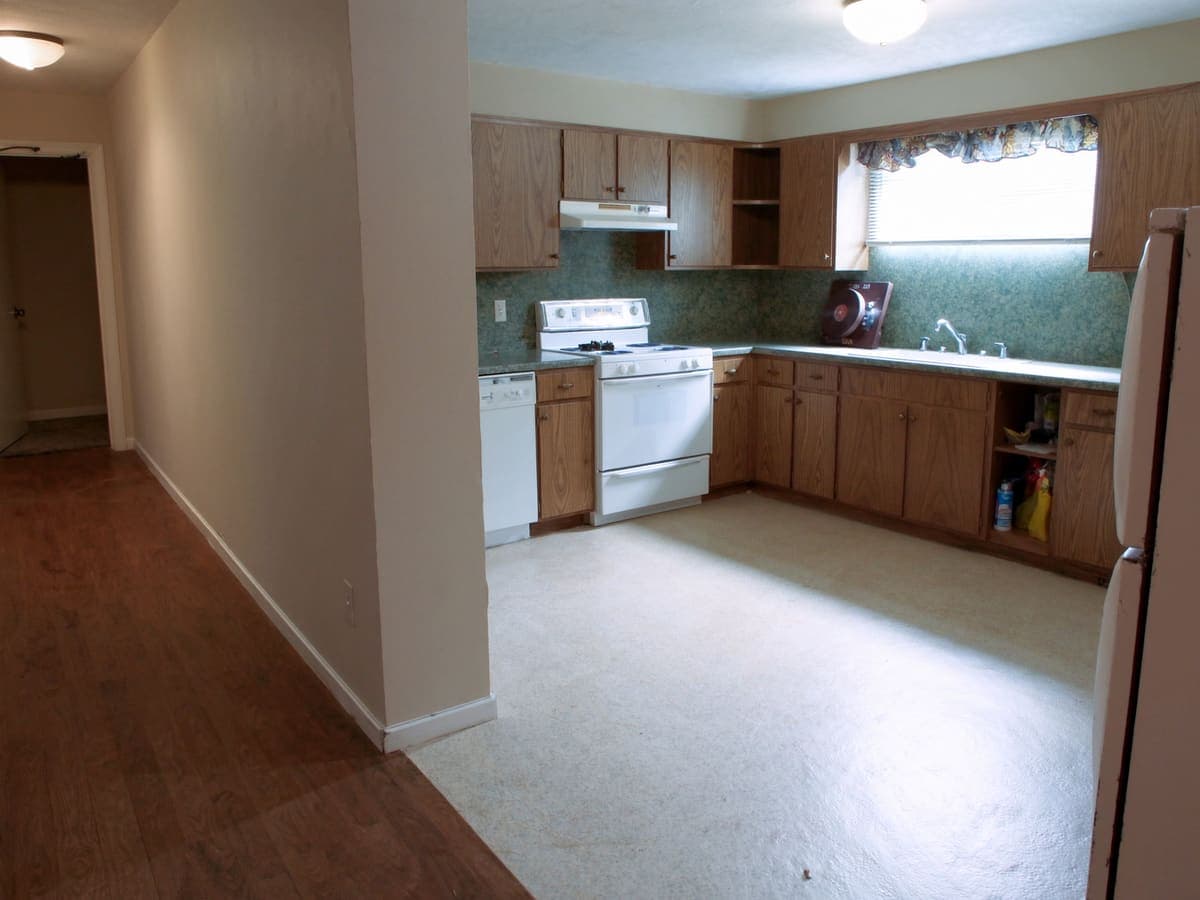
Dated and original
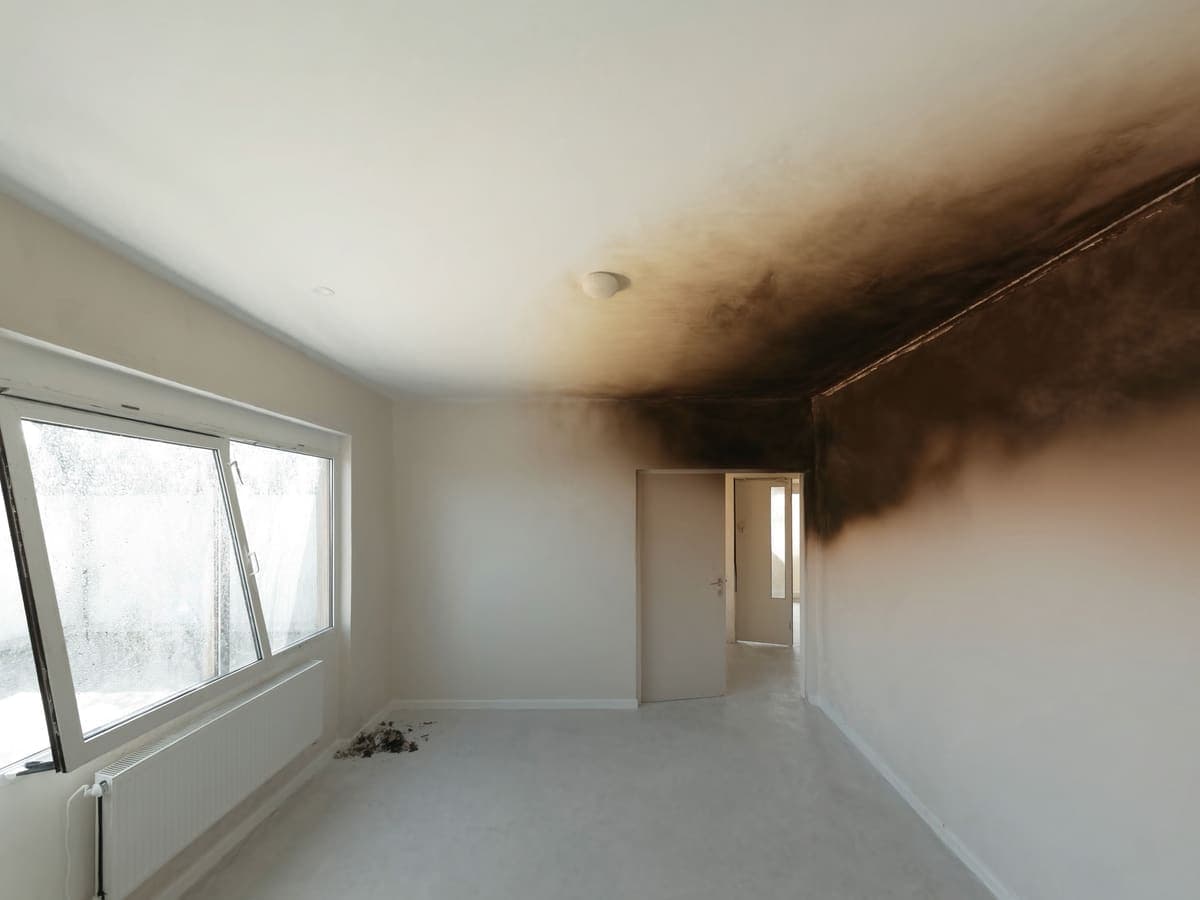
Fire or smoke damage
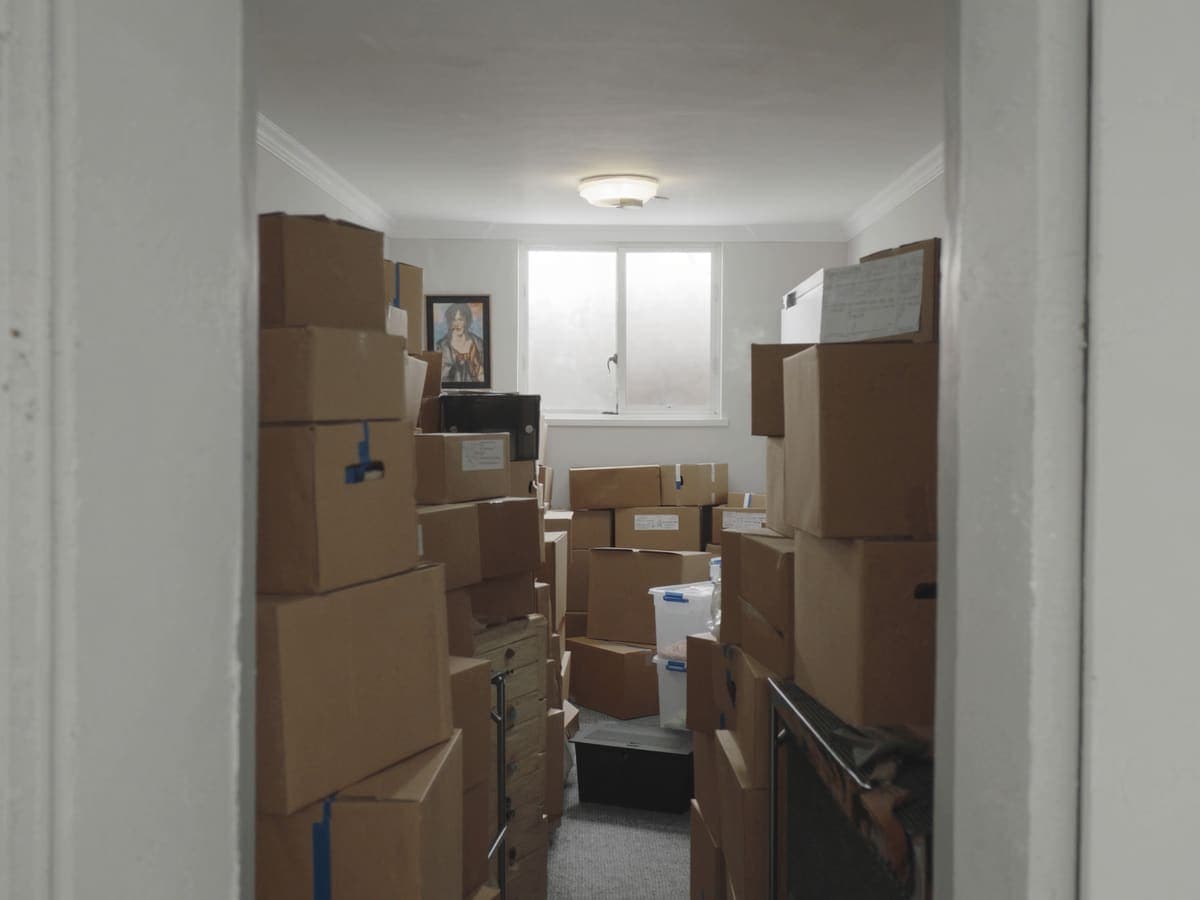
Full of belongings
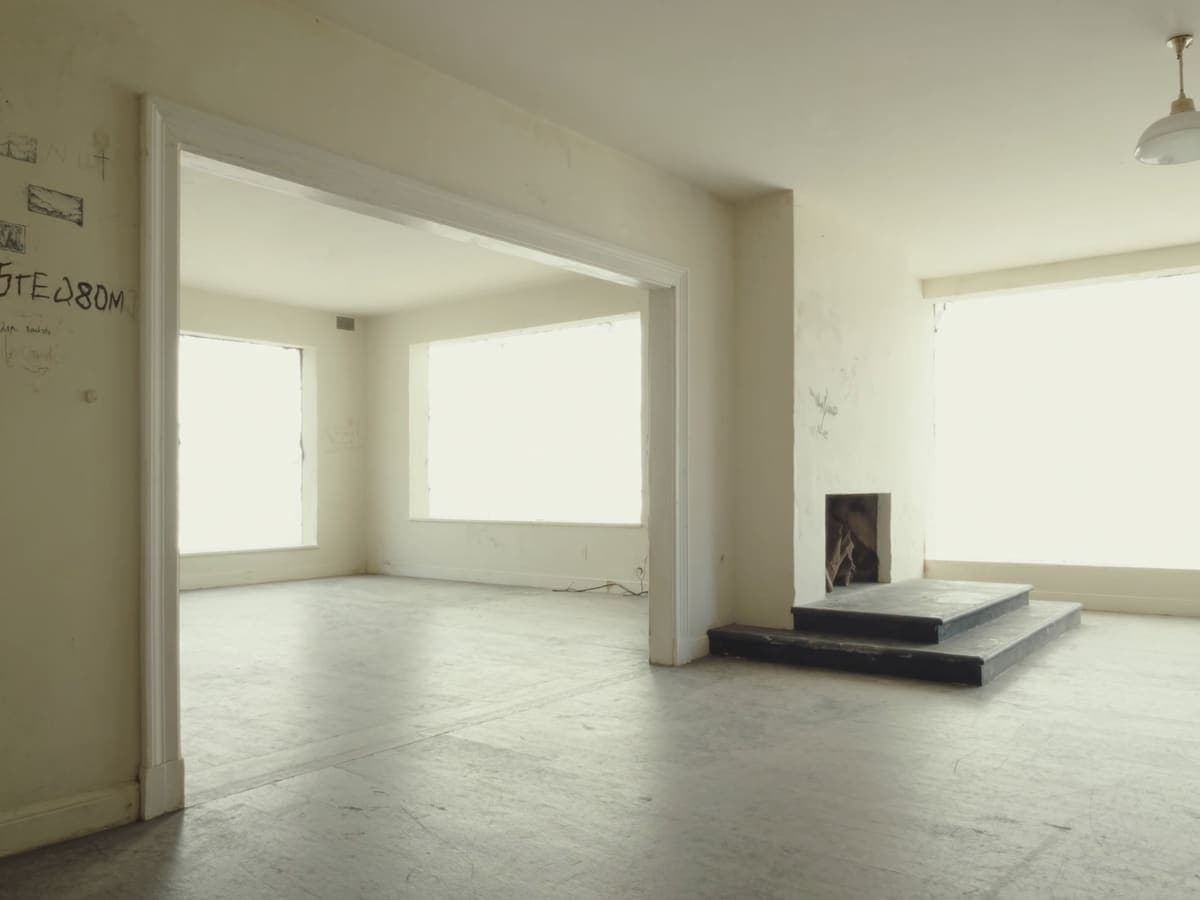
Vacant and stripped
Outdated but livable
Original kitchen, old carpet, wallpaper from three owners ago. Perfectly normal.
Major repairs needed
Roof, foundation, plumbing, electrical, HVAC — the expensive things.
Fire damage
Partial or extensive. Bring the insurance paperwork if you have it.
Water damage or mold
Leaks, flooding, or anything that has been sitting wet for a while.
Vacant or boarded up
Empty for months or years, with or without utilities on.
Tenant occupied
Paying, behind, month-to-month, or refusing to leave.
Full of belongings
Including hoarder conditions. Take what you want and leave the rest.
Code violations
Open citations or a notice from the city sitting on the counter.
Unpermitted work
An addition, a converted garage, or a remodel nobody pulled a permit for.
Half-finished renovation
A project that ran out of money, time, or a contractor.
Deferred maintenance
Years of small things nobody got to, adding up to a long list.
Structural problems
Settling, cracked slab, or a report you would rather not act on.
Not sure your property fits? Ask anyway — it costs nothing to find out.
Everything homeowners ask before sending an address
If your question is not here, call and ask it directly.
How does selling my house to LMS work?
You send us the address and a few details about the property. We look at recent nearby sales and the condition of the house, then come back with an offer in writing along with the math behind it. If you accept, you choose the closing date and a title company handles the paperwork. If you do not, nothing happens and you owe us nothing.
Am I obligated to accept your offer?
No. Asking for an offer commits you to nothing at all. There is no fee, no contract at that stage, and no penalty for saying no. Plenty of people ask for a number, compare it to their other options, and decide to list instead. That is a reasonable thing to do.
Do I need to make any repairs?
None. We buy as-is, which means the condition is priced into the offer rather than turned into a list of things you have to fix first. Repairs made right before a sale rarely return what they cost, and anything you fixed we would likely redo anyway.
What types of properties does LMS buy?
Single-family houses, condos and townhomes, small multi-unit buildings, and vacant land in some cases. Occupied or empty, updated or original, in good shape or in very rough shape. If you are not sure whether your property fits, ask — it costs nothing to find out.
How quickly can I sell?
Once you accept an offer, the timeline is mostly set by the title company and how quickly the title work clears. A cash purchase moves considerably faster than a financed one because there is no lender, appraisal, or loan underwriting in the way. We will give you a specific date with the offer rather than a vague promise now.
Can I choose my closing date?
Yes, and that is often the main reason people call. Close as soon as the title work allows if you need to move on quickly, or take weeks to sort out a move, a lease, or another purchase. We schedule around you.
What if the property has tenants?
We buy occupied properties and take over the lease at closing. You do not need to evict anyone, end a tenancy, or empty the unit first. If the tenant has stopped paying, tell us — it affects the number but not whether we are interested.
What if I inherited the property?
Inherited houses are one of the most common situations we deal with. You do not need to clean it out, settle every disagreement among the heirs first, or repair anything. Everyone on title does have to agree to sell, and we are happy to walk all of the heirs through the same numbers together.
What if I still owe money on the mortgage?
That is normal and it is not a problem. The remaining loan balance is paid off out of the sale proceeds at closing, exactly as it would be in a traditional sale, and whatever is left over goes to you. You only need to know roughly what you owe — the title company confirms the exact payoff.
What if the house has liens or back taxes?
Liens, judgments, and unpaid property taxes generally get paid out of the proceeds at closing rather than out of your pocket beforehand. The title search finds them whether or not you mention them, so telling us up front just means the offer accounts for them from the start.
What if the property is in probate?
We buy probate properties and work alongside the estate's attorney. Whether a sale needs court confirmation depends on the authority the personal representative was granted. Tell us where the estate is in the process and we will tell you what is realistic.
Does the house need to be cleaned out?
No. Take what you want to keep and leave the rest where it sits — furniture, boxes, a garage nobody has opened in years. Clearing the property is our job after closing and it does not reduce the offer.
How does LMS decide what to offer?
We start from what the house would be worth once it is fixed up, based on recent sales nearby. From that we subtract the repairs we would have to make, the costs of buying, holding, and reselling, and the margin we need for the purchase to be worth doing. What is left is your offer. We show you that breakdown rather than handing you a number with no explanation.
How is this different from listing with an agent?
An agent markets your house to find a retail buyer, which usually produces a higher sale price but takes longer and involves repairs, showings, commissions, and a buyer whose financing can fall through. We buy it directly, which trades some of that price for speed, certainty, and not having to do any of the work. Listing is the better choice for a house that is ready for the market and an owner who can wait. This is for everything else.
How do I know you will actually close?
A fair question to ask any buyer. You deal with the two owners directly rather than with a call centre, so you can ring us and ask whatever you like before you share anything at all. Every offer comes in writing with the math behind it. Funds and closing run through a licensed title company rather than through us, and nothing is binding on you until you choose to sign.